
Newark activists rally and march to commemorate National Day Against Police Brutality
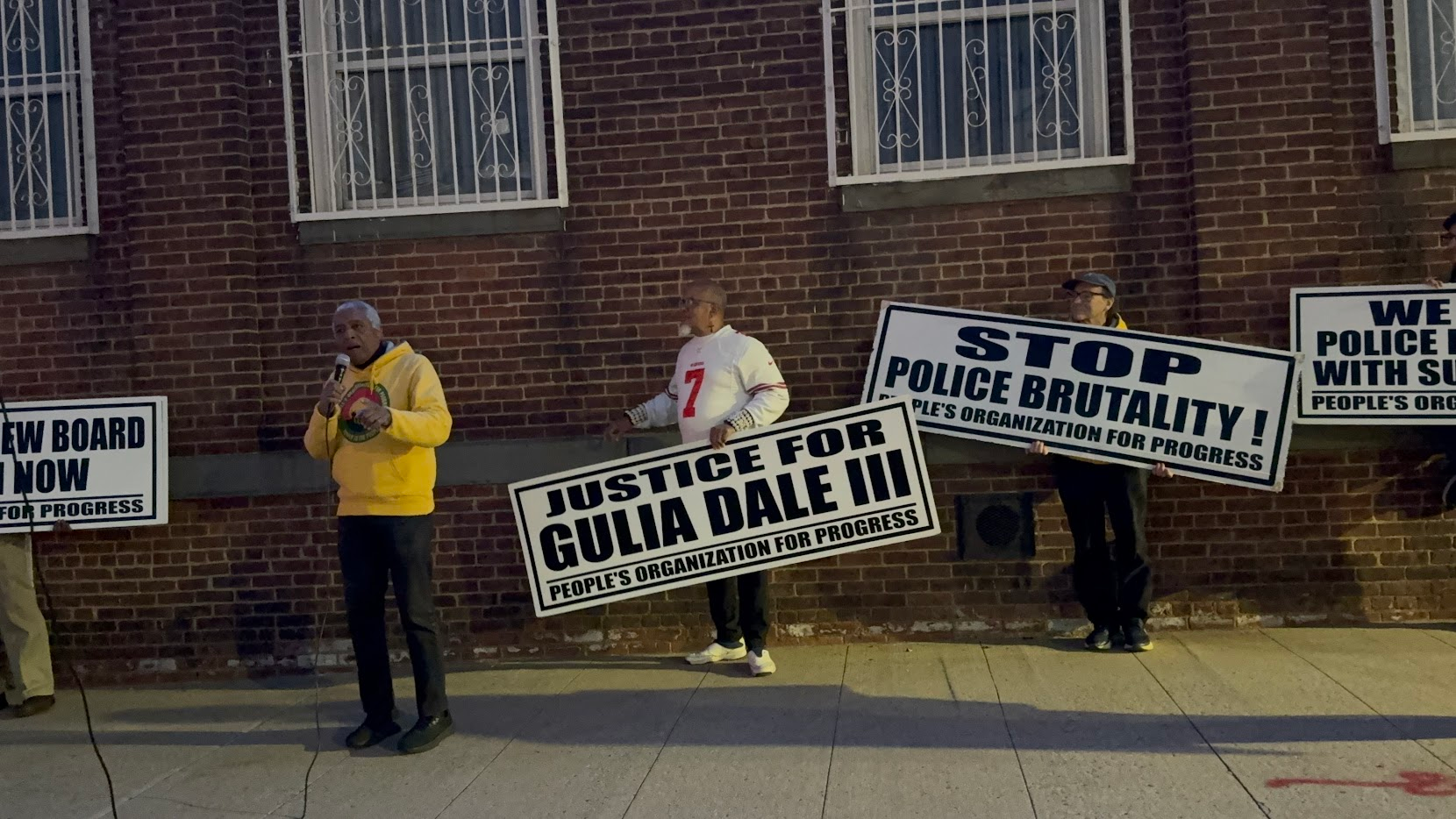
(Credits: Hali Cooper, 10/22/26)
NEWARK, NJ: On the annual National Day of Protest against Police Brutality, Oct. 22, the People’s Organization for Progress (POP) gathered, as it has for decades, to call out state-sponsored police violence.
A large group of community activists and advocates from various NJ towns and organizations, as well as family members of those killed by police: This year, the group raised demands for meaningful reforms following a controversial ruling in the killing of one-year-old Kohen Wiley.
Wiley was killed on June 14th, 2026, when a Mississippi police officer fired at a vehicle during a response to a shoplifting call. On October 19th, Mississippi Attorney General Lynn Fitch announced that the officer’s use of force was justified and criminal charges would not be pursued. The decision sparked outrage and criticism from advocates, calling for greater accountability in investigations involving police shootings.
The crowd convened outside Fraternal Order of Police Lodge #12 at 51 Rector St., where participants rallied outside then marched to the federal building at 970 Broad St.
Chants of “Stop police brutality” and “No justice, no peace” rang through downtown Newark as gatherers rallied before the march, where Lawrence Hamm, chairman of POP, reflected on the organization’s decades-long campaign against police violence. Though current data shows that police killings are down, the mappingpoliceviolence.org project caveats this data, as law enforcement agencies across the country have been resistant to providing information about police killings.
“We have been fighting against police brutality for 50 years. Now it’s not just us. It’s everyone,” Hamm said.
Throughout the rally, demonstrators carried signs and posters bearing the name of Major Gulia Dale III, a veteran and New Jersey son, who was killed by police brutality. His family members spoke about the lasting impact of his death, emphasizing the emotional toll on relatives who relentlessly seek accountability.
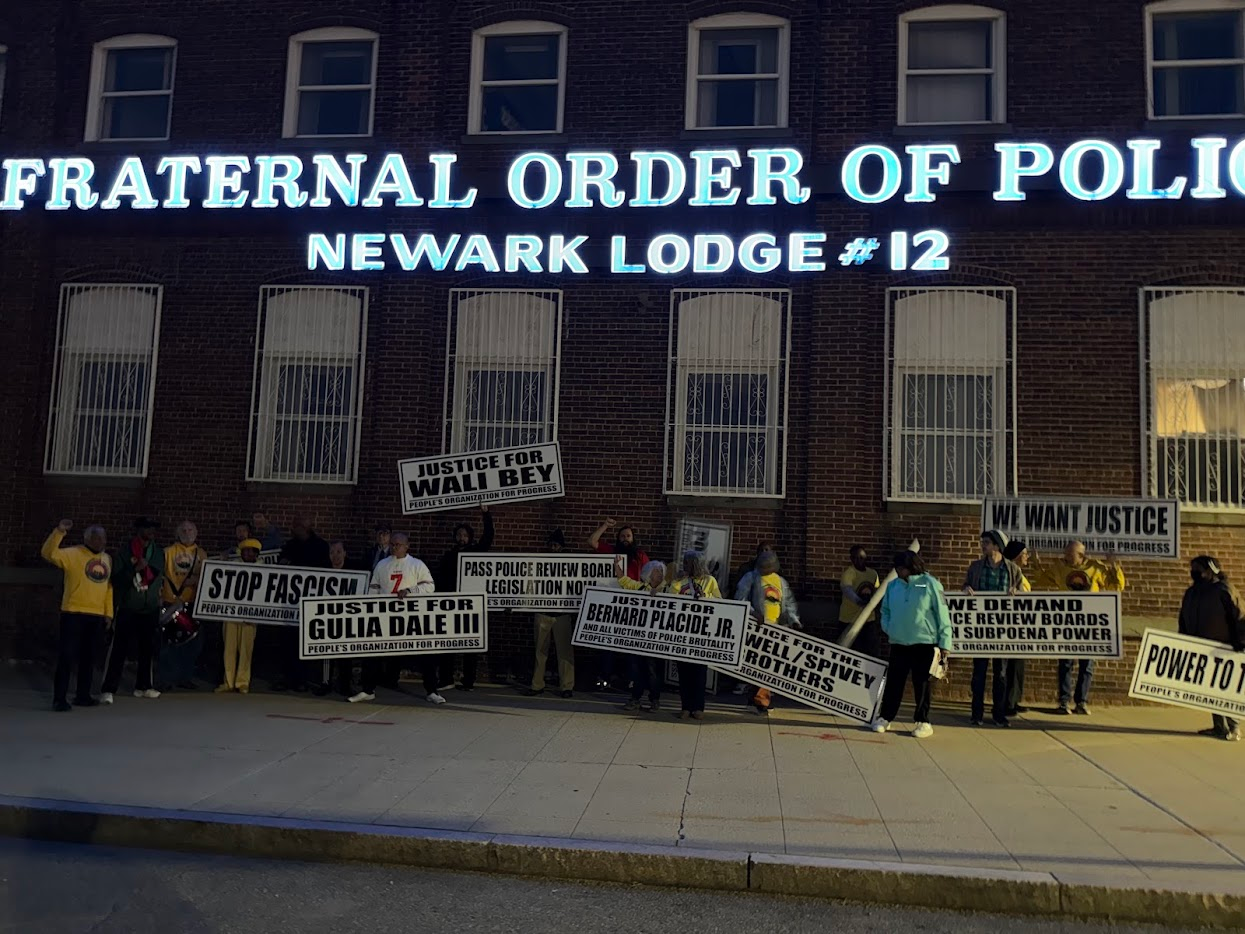
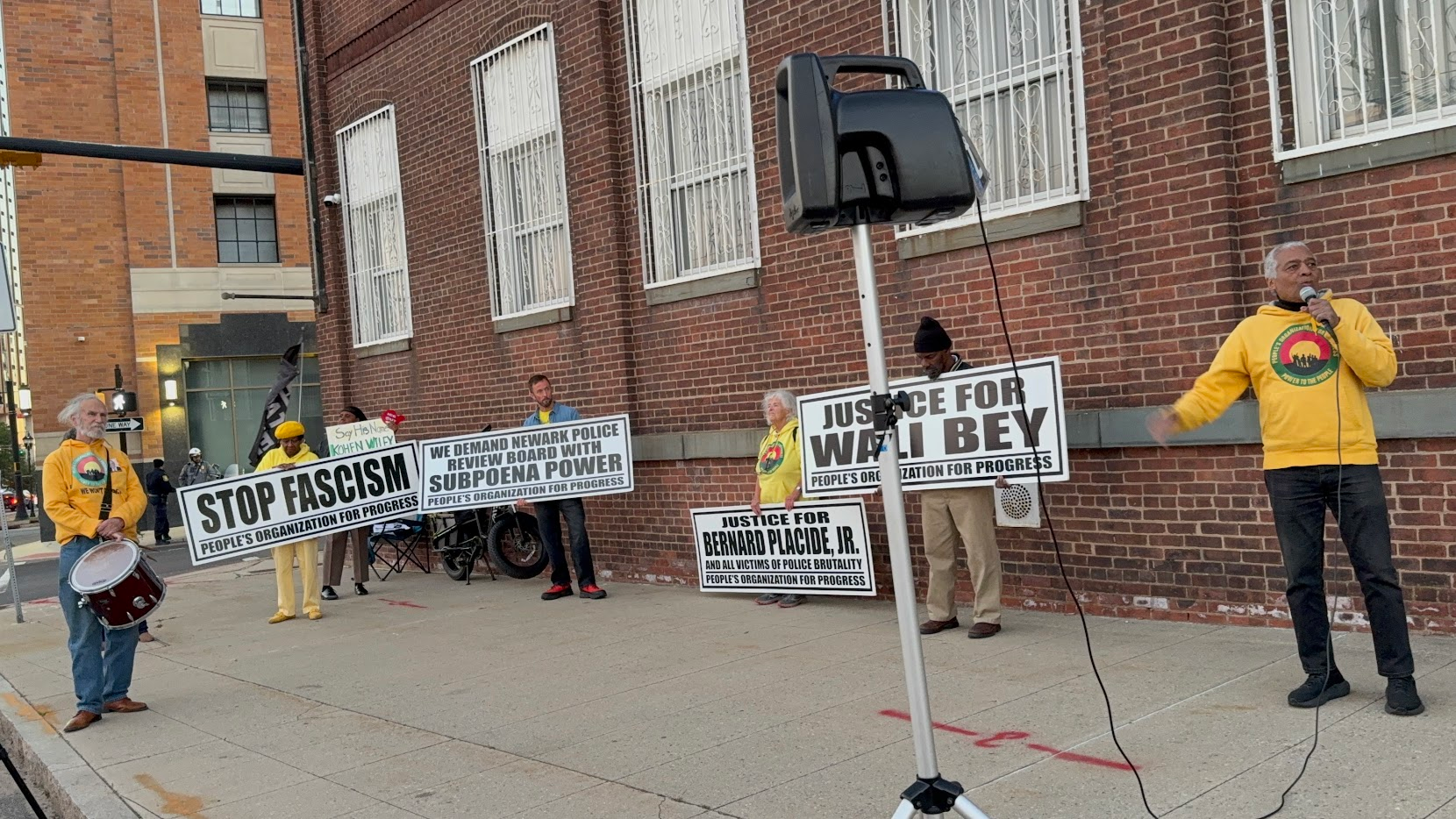
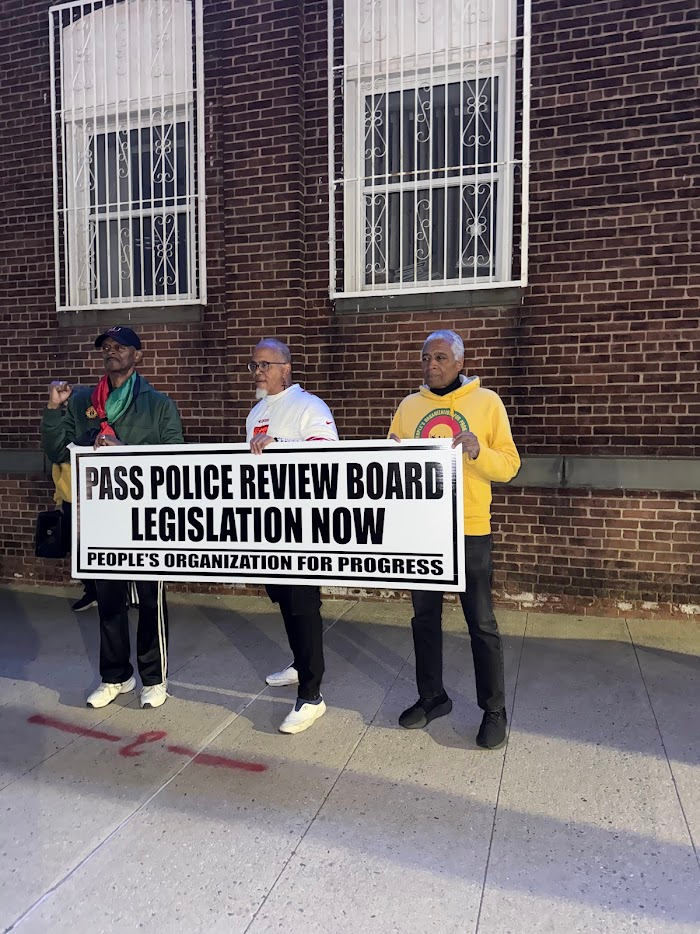
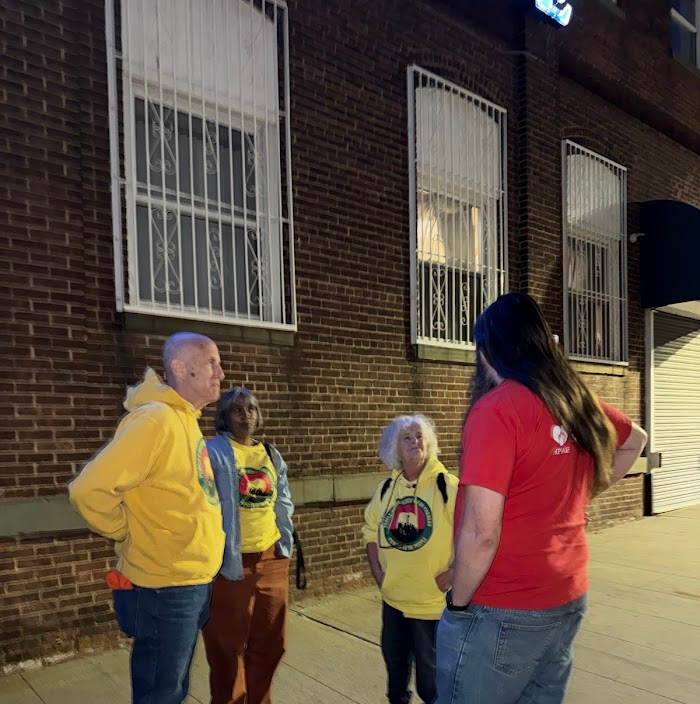
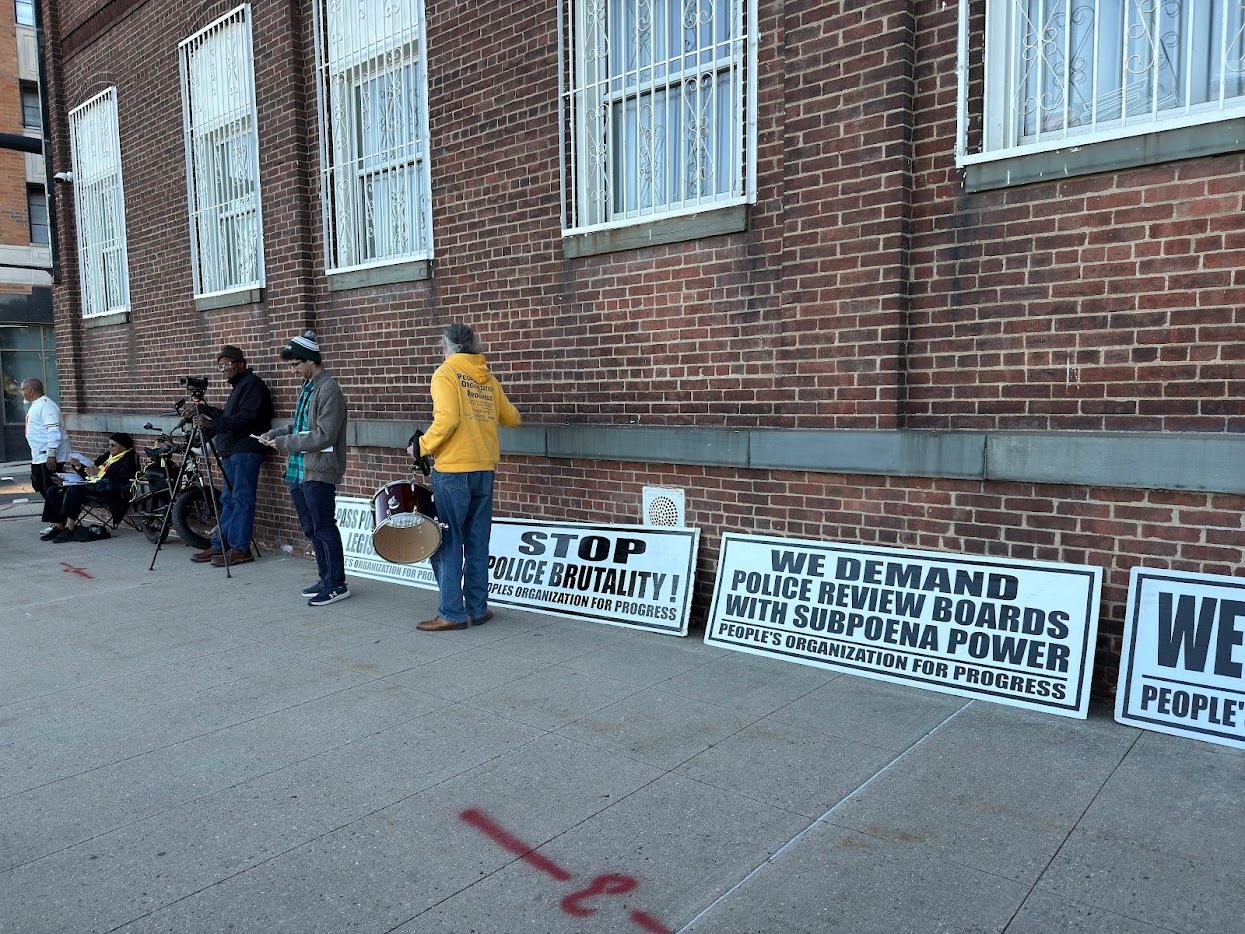
(Credits: Hali Cooper, 10/22/26)
For attendee Vijay Dharmaperi, the personal stories are the most powerful part of the demonstration.
“Hearing family members talk about the generational trauma from police killings, particularly the stories from my Black American comrades and what they have faced in this country, deepens my humanity. I started going to the Oct. 22 march decades ago, and I do so each year because it allows me to not only connect to their trauma and resilience, but it connects my own struggles as an immigrant in this country,” Vijay Dharmaperi.
“Today, we had a few people [speak] about their loved ones being murdered by the hands of police,” Cooper said. “It really touches my heart because of the families, siblings, and people who were left behind.”
Cooper said the chants reflected the group’s commitment to peaceful demonstrations in order to keep attention on police accountability.
“‘No justice, no peace’ means we keep protesting,” she said. “We don't burn down buildings or stuff; we just march in the streets in peace, and we keep chanting until they hear us. We keep making a statement.”
The protest reflects activists’ continued demands for greater police accountability and civilian oversight. Cooper, along with POP, argues that New Jersey should establish a civilian police review board with investigative authority.
The rally raises broader questions about how police use of force is investigated and how communities can hold law enforcement accountable to maintain safety.